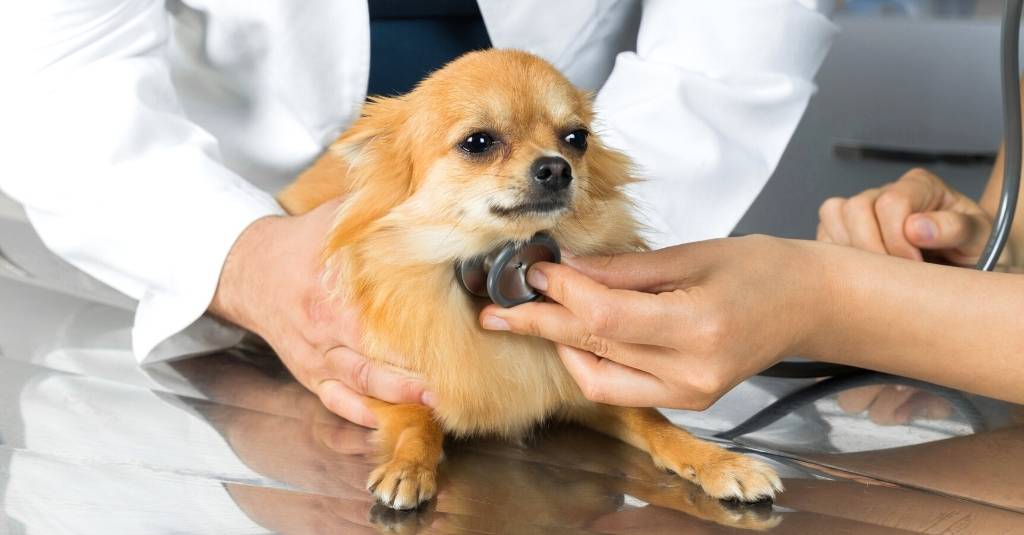
Caring for a pet goes far beyond providing food and affection. One of the most overlooked aspects of animal wellness is respiratory health, especially when it comes to the trachea 寵物氣管保健. The keyword Pet tracheal health care highlights an essential topic that every responsible pet owner should understand. The trachea, commonly known as the windpipe, plays a vital role in allowing air to pass into the lungs. Any issue affecting this delicate structure can significantly impact a pet’s quality of life.
Understanding how to maintain tracheal health, recognize early warning signs, and provide proper care can make a meaningful difference in your pet’s long-term well-being. Whether you own a dog, cat, or other small animal, proactive attention to tracheal care is an important part of overall pet health management.
Understanding the importance of Pet Tracheal Health care
The trachea is a flexible tube supported by cartilage rings that keep the airway open. In healthy animals, it functions efficiently, allowing smooth airflow during breathing. However, when the trachea becomes weakened, inflamed, or narrowed, it can lead to serious breathing difficulties.
Certain pets, particularly small dog breeds, are more prone to tracheal problems such as collapse or irritation. Environmental factors, genetics, and lifestyle habits can all contribute to these conditions. This is why Pet tracheal health care is not just about treatment but also about prevention and awareness.
When the trachea is compromised, pets may struggle to breathe, cough persistently, or show signs of distress. Early intervention is key to preventing complications and ensuring that your pet continues to live comfortably.
Common Tracheal Issues in Pets
There are several conditions that can affect the trachea, each requiring careful attention and management. One of the most common problems is tracheal collapse, where the cartilage rings weaken and cause the airway to narrow. This condition is often seen in smaller dogs and can worsen over time if not properly managed.
Another issue is tracheitis, which refers to inflammation of the trachea. This can be caused by infections, irritants, or prolonged coughing. Allergic reactions can also lead to swelling and irritation within the airway, making breathing difficult.
Foreign objects, although less common, can become lodged in the trachea and create a medical emergency. Additionally, prolonged exposure to smoke, dust, or strong chemicals can damage the lining of the trachea and lead to chronic respiratory issues.
Understanding these conditions helps pet owners recognize the importance of consistent and attentive Pet tracheal health care.
Recognizing Early Warning signs
Pets cannot communicate discomfort in the same way humans do, so it is essential to observe their behavior closely. Early detection of tracheal issues can prevent more serious complications.
One of the most noticeable symptoms is a persistent cough, often described as a honking sound in dogs. Labored breathing, wheezing, or gagging are also signs that something may be wrong. Some pets may show reduced activity levels, fatigue, or reluctance to exercise.
In more severe cases, pets may experience bluish gums or fainting episodes due to lack of oxygen. These symptoms require immediate veterinary attention. Being alert to subtle changes in your pet’s breathing patterns is a crucial aspect of Pet tracheal health care.
Preventive Measures for Maintaining Tracheal Health
Prevention is always better than cure, and there are several steps pet owners can take to protect their pet’s trachea. One of the simplest yet most effective measures is using a harness instead of a collar for dogs. Collars can put pressure on the neck and worsen tracheal conditions, especially in smaller breeds.
Maintaining a healthy weight is also essential. Excess weight can put additional strain on the respiratory system, making breathing more difficult. Regular exercise, balanced nutrition, and portion control all contribute to a healthier pet.
Keeping your pet’s environment clean and free from irritants is another important step. Avoid exposure to cigarette smoke, dust, and strong chemical cleaners. Good air quality plays a significant role in supporting respiratory health.
Routine veterinary check-ups are a cornerstone of effective Pet tracheal health care. Regular examinations allow early detection of potential issues and ensure timely intervention.
Treatment and Management Options
If a pet is diagnosed with a tracheal condition, treatment will depend on the severity and underlying cause. Mild cases may be managed with medications that reduce inflammation, suppress coughing, and relax the airway.
In more advanced cases, veterinarians may recommend specialized therapies or even surgical intervention. While surgery is usually considered a last resort, it can significantly improve quality of life for pets with severe tracheal collapse.
Lifestyle adjustments are often necessary as part of ongoing care. Reducing stress, avoiding overexertion, and maintaining a calm environment can help prevent flare-ups. Pet owners must follow veterinary advice closely to ensure effective management of the condition.
Consistency is key when it comes to Pet tracheal health care. Even after symptoms improve, ongoing care and monitoring are essential to prevent recurrence.
The Role of Nutrition in Tracheal Health
Diet plays an important role in maintaining overall health, including the respiratory system. Providing a balanced diet rich in essential nutrients supports tissue repair and immune function.
Certain supplements, such as omega fatty acids, may help reduce inflammation and promote healthy airway function. However, supplements should only be given under veterinary guidance to ensure safety and effectiveness.
Hydration is equally important. Adequate water intake helps keep the airway moist and reduces irritation. Proper nutrition, combined with other preventive measures, forms a strong foundation for effective Pet tracheal health care.
Creating a Supportive Environment
A pet’s surroundings can have a significant impact on their respiratory health. Maintaining a calm and stress-free environment helps reduce the risk of breathing difficulties. Loud noises, extreme temperatures, and sudden changes can all trigger stress and exacerbate tracheal conditions.
Providing a comfortable resting area with proper ventilation ensures that your pet can breathe easily while relaxing. Regular grooming can also help reduce allergens such as dust and dander that may irritate the airway.
Pet owners should also be mindful of seasonal changes. Cold air can sometimes trigger coughing, while high humidity may worsen breathing problems. Adjusting your pet’s environment according to weather conditions is an important aspect of Pet tracheal health care.
Long-Term Care and Monitoring
Tracheal health requires ongoing attention, especially for pets with existing conditions. Regular monitoring of symptoms, adherence to treatment plans, and routine veterinary visits are essential for long-term management.
Keeping a record of your pet’s symptoms, behavior, and response to treatment can help veterinarians make informed decisions. This proactive approach ensures that any changes in condition are addressed promptly.
Building a strong relationship with your veterinarian is also important. Open communication allows you to discuss concerns, explore treatment options, and receive guidance tailored to your pet’s specific needs.
Conclusion
Pet tracheal health care is a vital yet often overlooked aspect of responsible pet ownership. The trachea plays a critical role in breathing, and any compromise to its function can have serious consequences. By understanding the importance of tracheal health, recognizing early warning signs, and implementing preventive measures, pet owners can ensure their companions lead comfortable and healthy lives.