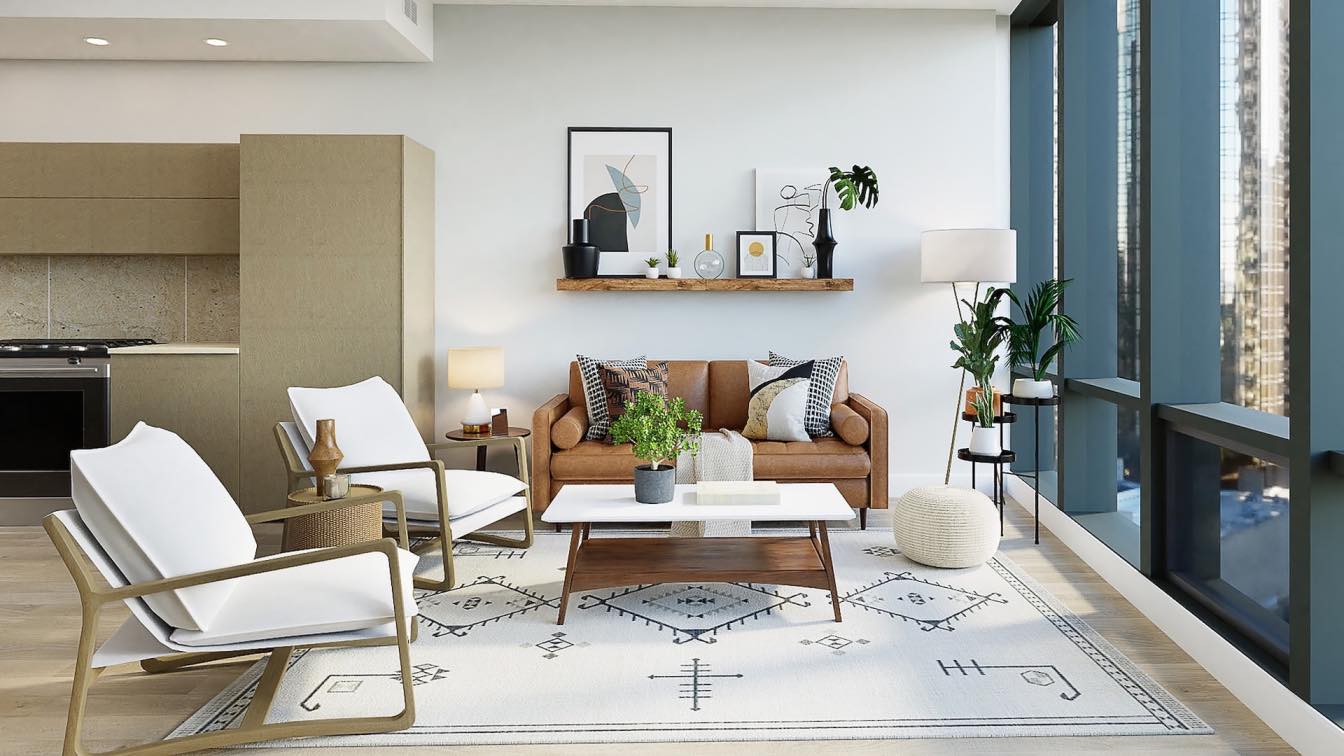
Design recommendations are very important guidelines for adjusting a house or apartment into a cohesive, functional, and aesthetically pleasing home. Effective design is not just about decorating; it is about creating spaces that reflect personal style, enhance comfort, and improve functionality. Whether designing a small studio room apartment or a large house, following expert recommendations can help residents achieve a balanced and harmonious environment that promotes both well-being and style. Design recommendations often address important components such as color schemes, furniture placement, lighting, and the integration of decorative and functional accessories.
One of the fundamental design recommendations is to understand the intention of each room before making decisions. Every space has a primary function, whether it is for relaxing, working, cooking, or entertaining. By clearly defining the aim, designers can select appropriate furniture, materials, and décor that enhance usability while maintaining a cohesive aesthetic 室內設計公司. For instance, living rooms might have to have comfortable sitting and flexible arrangements for social interaction, whereas home offices benefit from ergonomic desk chairs, adequate lighting, and storage answers to encourage productivity. Considering the intended use of a location ensures that design choices are both practical and successfully appealing.
Color selection is another critical aspect highlighted in design recommendations. Colors have a significant affect mood and perception, and they can influence the way spaces feel. Light and natural colors can make rooms feel larger and more open, while dark tones create intimacy and warmth. Accent colors, when used strategically, add visual interest and highlight industrial or decorative features. Design recommendations often encourage balancing color palettes across rooms to maintain flow and cohesion while allowing individual spaces to express unique character. Choosing colors that complement natural and artificial lighting ensures that rooms remain inviting throughout the day.
Furniture arrangement is a key focus of design recommendations. The keeping furniture should facilitate movement, encourage conversation, and maximize the functionality of a room. Designers recommend avoiding overcrowding spaces with oversized or unnecessary pieces, as this can make a room feel cramped and disorganized. Multifunctional furniture, such as storage-integrated couches, collapsible tables, and modular units, is highly recommended for smaller spaces. Proper furniture arrangement also allows things, such as a fireplace, artwork, or a window view, to be highlighted effectively.
Lighting design is highlighted in most design recommendations because it greatly influences ambiance and functionality. A combination of natural and artificial lighting enhances the overall aesthetic of a space. Large windows, skylights, or glass doors help maximize sunshine, while layered artificial lighting—including threshold fittings, lamps, and task lighting—adds versatility and creates mood. Accent lighting can draw awareness of art pieces, industrial elements, or décor, making the space more dynamic. Designers often recommend using dimmers or adjustable lighting to allow flexibility and control over settings, ensuring that the surroundings suits various activities.
Storage solutions are very important in creating organized and successfully appealing rooms. Design recommendations stress benefit of integrating functional storage that complements the overall design. Built-in cabinets, sailing shelves, under-bed compartments, and stylish storage furniture lessen clutter without sacrificing appearance. Efficient storage contributes to an awareness of calm and order, making spaces feel more large and inviting. For smaller homes, designers often suggest directory storage solutions or hidden chambers to maximize every inch of available space.
Fabrics and materials play a significant role in design recommendations. Fabrics, upholstery, carpets, and draperies add texture, color, and warmth to a room. Natural materials such as wood, linen, and cotton are favored for their durability and aesthetic appeal, while man made alternatives can offer usefulness and resistance to wear and stains. Combining different textures—such as soft fabrics, smooth surfaces, and rough accents—adds depth and interest to rooms. Choosing high-quality materials ensures longevity and creates a place that feels comfortable and luxurious.
Another common design recommendation is to customize spaces to reflect the personality and lifestyle of the residents. Incorporating elements such as artwork, family pictures, travel mementos, or handmade décor adds character and uniqueness to the home. Personalized details make spaces feel authentic and emotionally engaging, encouraging an awareness of owed. Designers often encourage using meaningful objects to create things or audio pieces while maintaining balance with the overall design scheme.
Sustainability and eco-conscious practices are increasingly featured in design recommendations. Using energy-efficient lighting, low-VOC paints, and sustainable materials not only reduces environmental impact but also contributes to healthier living spaces. Incorporating indoor plants improves air quality and features natural textures, adding life and vibrancy to rooms. Designers recommend choosing products and materials that are durable, recyclable, or taken responsibly, ensuring that the home is both stylish and green responsible.
Flexibility is another principle highlighted in design recommendations. Homes should be able to adjust to changing needs over time. Modular furniture, removable dividers, and multipurpose rooms provide versatility, allowing residents to reconfigure spaces for different functions. Flexible design ensures that rooms remain practical and relevant as family structures, lifestyles, or trends change. This method maximizes the usability and longevity of the liveable space, reducing the requirement for frequent restorations or redesigns.
The use of things is a strategic recommendation in design. A centerpiece draws attention and anchors an area successfully, whether it is a statement piece of furniture, artwork, a fireplace, or an industrial feature. Designers suggest arranging other elements around the centerpiece to create balance and harmony. Proper use of things can improve the perceived size and proportion of a room, making spaces feel more structured and successfully appealing.
Incorporating textures, patterns, and layers is also an essential design recommendation. Layering different elements—such as carpets, throws, soft cushions, and wall treatments—adds depth and dimension to a room. Mixing patterns and textures must be done considerately to ensure a cohesive look. Interior designers often recommend using contributory colors and patterns to unify the space while adding visual interest. This layering approach contributes to a complicated and inviting atmosphere.
Technology integration is an important consideration in contemporary design recommendations. Smart home systems, automated lighting, climate control, and entertainment solutions enhance convenience and efficiency. Designers advise integrating technology carefully to maintain aesthetic harmony while providing modern functionality. Properly managed technology adds comfort and complexity to living spaces, creating homes that are both stylish and practical.
Lastly, design recommendations emphasize benefit of flow and connection between spaces. Changeover areas, hallways, and open-plan templates should facilitate movement and look after visual continuity. Consistency in color schemes, materials, and design elements across rooms creates an awareness of unity and coherence. Proper flow ensures that the home feels balanced, organized, and welcoming, enhancing both functionality and overall aesthetic appeal.
In conclusion, design recommendations provide essential guidance for creating living spaces that are beautiful, functional, and reflective of personal style. By addressing elements such as room purpose, color schemes, furniture arrangement, lighting, storage, personalization, sustainability, flexibility, things, textures, technology, and flow, homeowners can transform their spaces into harmonious and inspiring environments. Following expert design recommendations ensures that homes are not only successfully appealing but also comfortable, adaptable, and supportive of the well-being and lifestyle of their residents.